Since the 22nd December 2014 I have walked over 200,000 steps, at an average of 6,000 steps per day. That’s approximately 91 miles based on my stride length. How do I know this? Because I have an app. Like most things these days anything that can be measured has an app. And now I am addicted to trying to keep my average up and reach 10,000 steps (about 5 miles) a day – which is the “magic” figure that the experts say we should walk – lest we become sedentary creatures and allow all manner of illnesses to take their hold for lack of exercise. That’s probably pretty sound advice!
Until recently, I have had a real struggle with achieving a balance with exercise and general wellbeing. For years as a young man I was an exceptionally fit athlete, running at county level, competing for selection in the all England youth athletics team, and generally able to excel in just about any sport I chose. Now in my 50’s I just cannot attain the level of fitness that my ego would like me to – I can’t be as fit as I was when I was 22! But that has not stopped me trying. I have pushed myself hard at the gym, but each time I come home exhausted and therefore not feeling the full benefits of the exercise.
It was my partner Caroline who, knowing what motivates me, finally persuaded me to try something different. Walking. She has been doing this for longer than me and introduced me to the app, also persuading me to join her for a walk in the grounds of one of our local National Trust properties (Anglesey Abbey for those of you who know Cambridgeshire). We covered more than 10,000 steps that day, and it has become a regular weekend walk.
Coincidentally our good friend and fellow blogger Elizabeth Marro (Betsy), wrote a piece about her own walking ambitions and her intent to walk 15 miles a week – you can read that blog here – http://elizabethmarroblog.com/category/walking-dispatches-from-the-journey/. Betsy is an inspiring writer, and her article wriggled it’s way into my psyche, and spoke to me about just how good walking can be for one’s soul, she writes “When I walk, I will not listen to music or talk on the telephone. I will look, feel, think, seek encounters. I will smile at strangers. I will open myself up to possibility. I will take one step at a time and maybe, at some point, it will become clear to me why I am walking and where I am going.”
Caroline has continued to encourage me to walk – though now I have something to aim for in terms of average steps I don’t need so much persuasion (reminding me that I am goal oriented!). But walking does more than get a few steps or miles under ones belt just to be able to say “I reached my numerical goal”. Walking takes you out. It takes you into the outdoors, and it takes you out of yourself. I am fortunate enough to both work from home and live in an area with easy access to country walks. I don’t even have to get in a car and drive a few miles to a ‘walking spot’; where we live we have splendid rural isolation as well as being able to choose routes frequented by others if we don’t want to remain entirely solitary. Although I have to admit that often it is the solitary nature of a walk in the countryside that is most appealing. Unencumbered with having to make conversation you are free to look and listen to the world around you – the variety of what you can experience is surprising.

My local walk: Fields stretch to the horizon
One day this week I set off on a lunchtime walk under fairly gloomy and wintry conditions. I walked 2 or 3 miles with nothing more spectacular to see other than a few ploughed fields stretching across the flat lands of the fens to a razor-sharp horizon in the distance. But half way round my 5 mile circuit I was in for a surprise. And as I turned a corner the dark clouds above parted just a little – enough for the pale sunlight to shine through. So narrow was this cloudy aperture that it looked as though a spotlight was shining from the sky. As the clouds moved the ‘spotlight’ appeared to move, shining on the magnificent cathedral in the distance. It illuminated the stone so brightly that the ancient building stood out in sharp relief on the Isle of Ely. Dancing over newly ploughed fields and copses of trees the shaft of light then briefly seemed to follow a flock of wood pigeons, or maybe they followed it, before finally fading back to grey. It was almost as if this ethereal illumination had been just for me, no-one else was around to see it.

The view of the distant Cathedral from a country lane in the village just after the ‘spotlight’ had passed
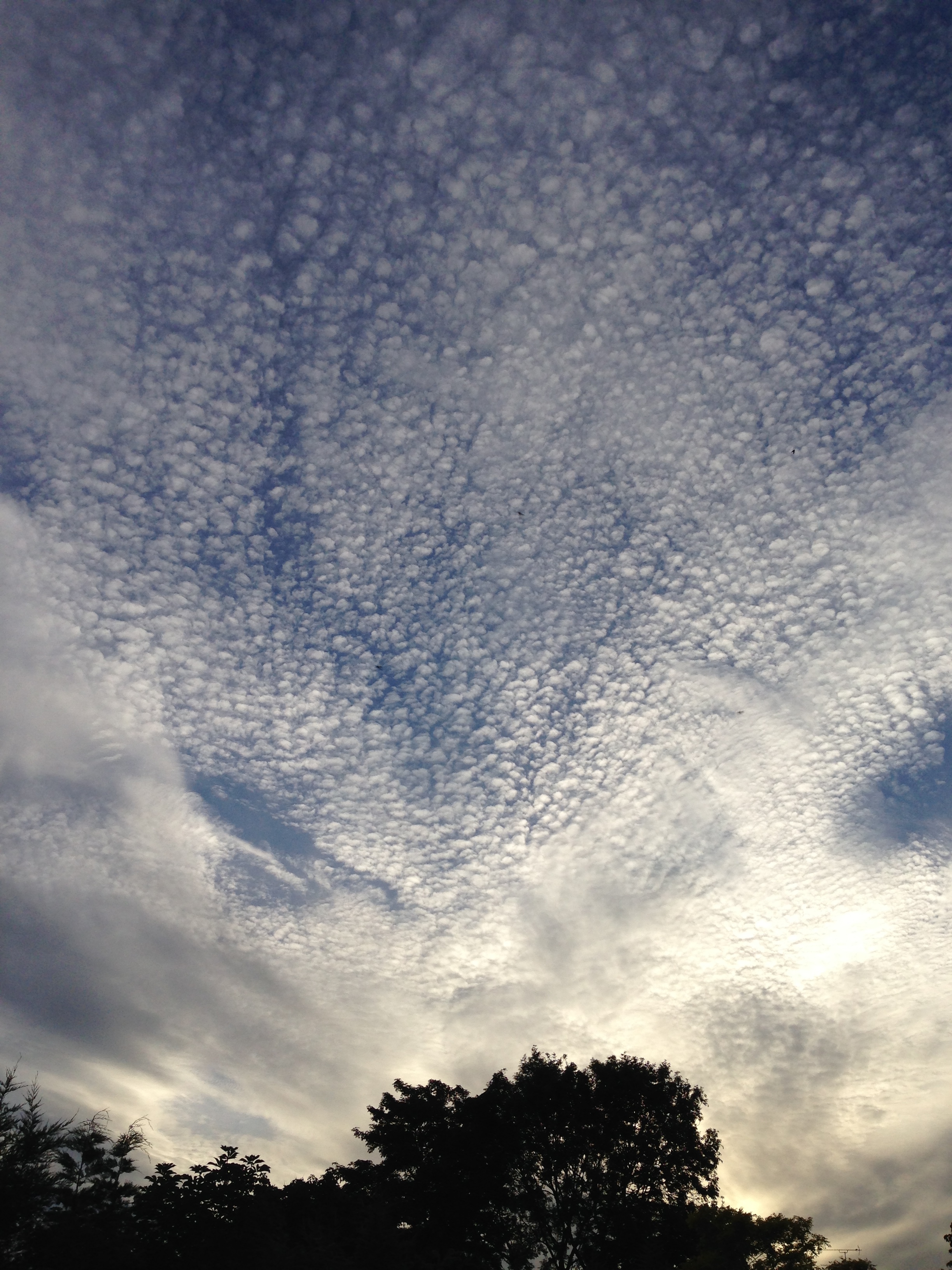
A route revisited is never exactly the same. Yesterday Caroline and I returned to Anglesey Abbey, the ground was crisp with frost and a dusting of snow. The snowdrops are now bursting through the earthy undergrowth, whole swathes of them give the woodland areas an appearance of a white polka dot carpet. The silver birches, planted to create a stunning visual display, reach for the sky like slender brushes painting white clouds on a blue canvas. 10,000 steps went by very quickly and enjoyably. Through the simple act of walking and being outdoors, I may well have found the solution to my need for exercise at a level that suits me. Thanks Caroline and Betsy of encouraging me to step out!

The slender silver birch trees at Anglesey Abbey seem to touch the sky
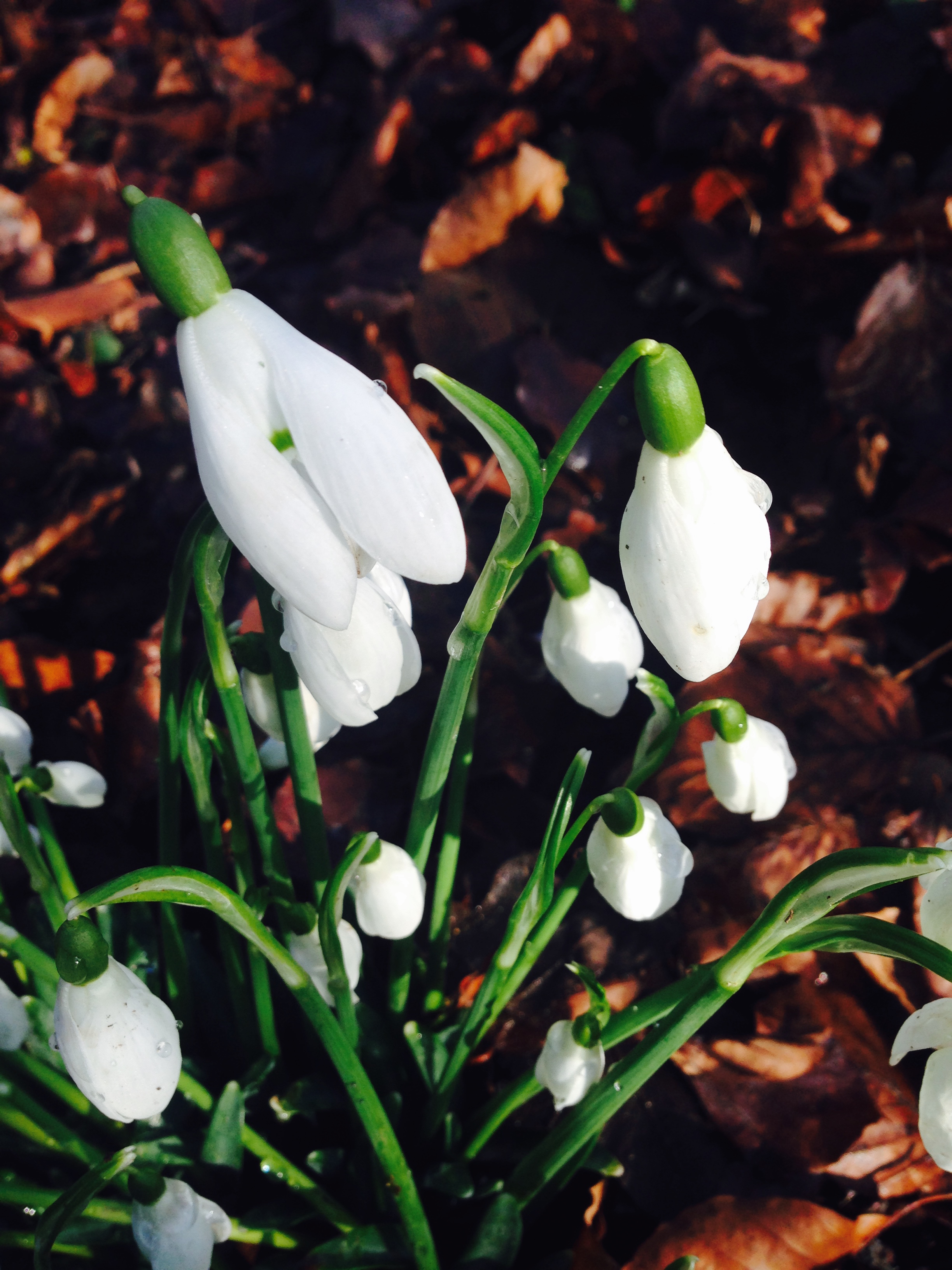
Anglesey Abbey: Snowdrops are appearing

Anglesey Abbey: Polka dot snowdrop carpet



 David Noble's Blog