
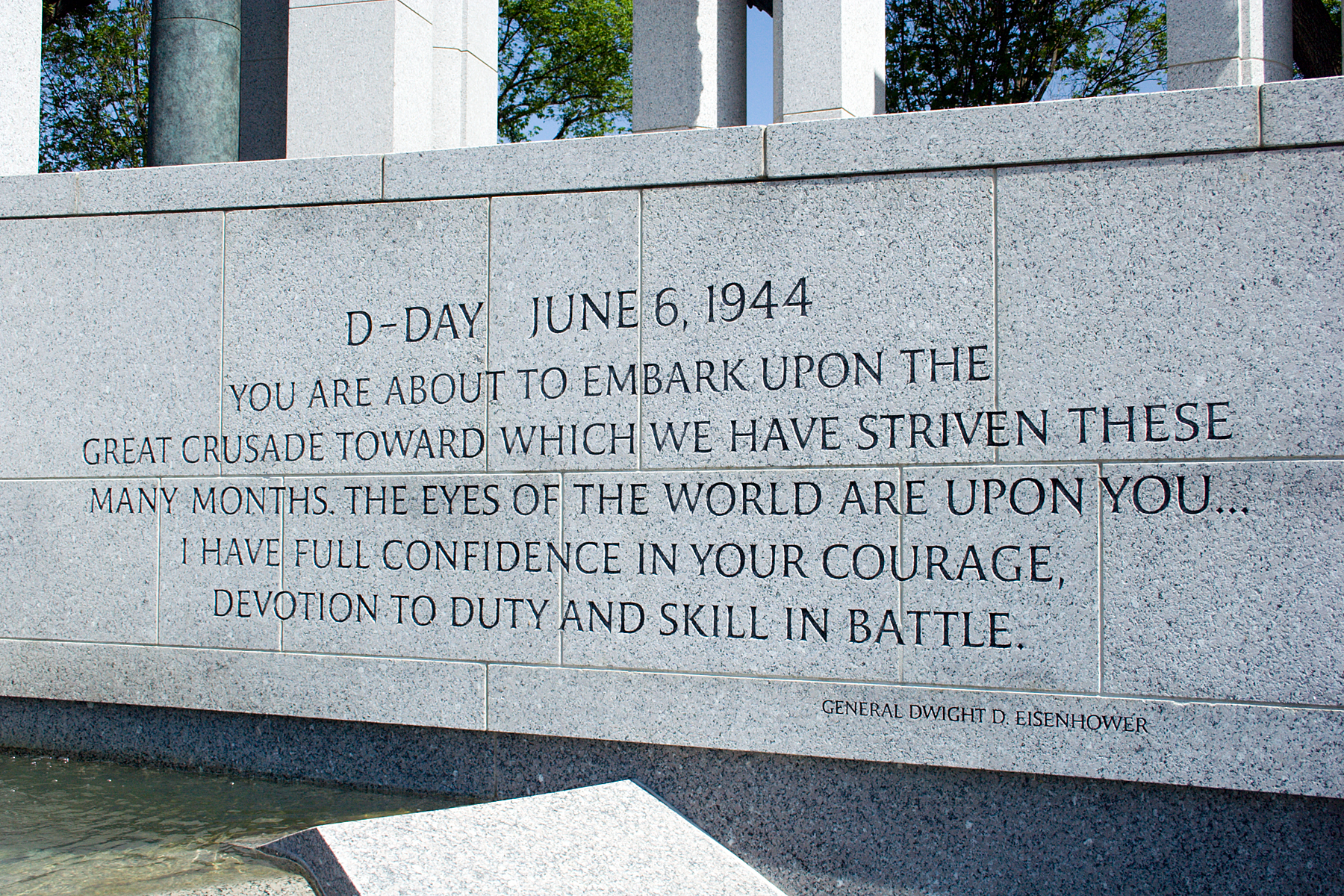
Last week and over the weekend the D-Day landings on the Normandy beaches in 1944 were commemorated in many ways. World leaders gathered to pay their respects and some seemed to want to be seen doing so, sadly some even using the occasion for political posturing. The media were everywhere. All a far cry from the horror of a world war and the death and destruction that was required to defeat Nazi Germany.
Old soldiers gathered respectfully, along with families and current day servicemen, in the Normandy towns, villages and on the beaches in remembrance of their fallen comrades and to make sure that, seventy years on, they are not forgotten. The number of veterans able to make this trip – for some an annual event – is ever dwindling. The youngest of those that remain are in their late 80’s and soon that generation will be lost to us, and their personal accounts will remain only in writing and recordings.
One such personal account that I heard on saturday morning put everything into stark contrast. I was stopped in my tracks by a radio interview with a gentleman by the name of Harold Nash on BBC Radio 4’s ‘Any Answers’. The moment that I heard this man start to speak I knew that he was speaking with experience and authority, even though he is ninety years old. The presenter of the programme was stopped in her tracks too, finding it very difficult to move on to a more mundane item after having heard such wisdom from one of the most profound interviews she is likely ever to do. She said “it made the hairs on the back of my neck stand up”. Just as it did for many, like me, who were listening. The radio station was inundated with calls and messages not just in support of Mr Nashs’ views but with respect for his gently spoken words reminding us of the futility of war and killing, the dilemma of how to commemorate, and a reminder that the only justification there can ever be for war is the pursuit of peace.
Harold’s challenge to us all is to think more about how we remember those that fought in such dreadful circumstances. The rattling of sabres – the military shows and parades, the drills with bayonets fixed to rifles, the shooting of rifles and guns in salute – to Harold are inconsistent with what he and his comrades risked their lives for. The celebration of killing other human beings, and the tools used for doing so, is for Harold, not in keeping with why he fought. Harold fought to bring an end to the war. Harold fought so that future generations would know peace.
As Harold recounted part of his own story the humility of such a brave and honest man shone through. He talked of himself as being a coward during the war – because he was afraid. He talked of being humbled when in occupied territory as he was offered bread by those ordinary people who earlier he would have been bombing and trying to kill. He quoted Albert Schweitzer. He talked of governments being unable to think his way, and that they may not see the inappropriateness of a celebration of killing, which he understood; but having heard him perhaps governments should think like Harold. He talked of understanding why some seek to remember with pomp and circumstance. And all the time he talked, it was with a voice that told the listener that this man knew right from wrong. This man knew the horrors of war. This man still carried regrets for the lives he had taken. This man did not want to be talked of as a hero.This man did not need the sight of marching soldiers to remember what happened seventy years ago. This man remembered his comrades every day. You sensed that Harold did his duty as he served as an RAF navigator, and fought with good reason – because he fought for peace and a return to normality. Tellingly, when he returned to civilian life it was as a teacher. As I listened to him I couldn’t help but think what a great teacher he must have been. What must it have been like being taught by this emotionally intelligent, caring and insightful human being?
With such wisdom, listening to Harold may lead some to wonder why, in this modern era, we do not heed our elders more. Why do we not learn more from their experiences? Are we so intent on getting everything done so much faster with the latest technology that we have lost the ability to listen, reflect and learn? What if we were to seek advice on some of our bigger life decisions from our elders who have been through it all before? Would we find such counsel helpful or would we be too impatient to listen and reflect? When I recall some of the best advice I have ever had, it has almost always been from someone older than me, someone with more experience, someone with a perspective that I lack. What if our town councils had a council of elders to turn to for advice, insight and perspective? But so many in today’s world are content to go headstrong and headlong into the next crisis, the next drama, the next scandal, the next debacle, and to execute the next ill-conceived strategy. To pause, reflect and consider wisely is the gift of few. It is those few, the Harold’s of our communities, that should be given air time, not sound bite politicians, not fame seekers, not headline seeking investigative journalists. We need more Harolds.
The interview with Mr Nash is still available on the Radio 4 website here: http://www.bbc.co.uk/programmes/b045xpq2. I urge you to listen to it while, and if, you can. The interview starts at around 2 minutes into the programme.
 David Noble's Blog